Comprehensive Profiles & Blood Panels
Functional vs. Conventional Testing
Functional testing: Focuses on how body systems are functioning.
Diagnostic testing: Looks for markers to diagnose an illness.
• As naturopathic nutritional therapists we are interested in how the systems of the body are working as a whole, and what we can do with our therapeutic tools to help optimise them.
• Functional testing can provide a deeper insight into bodily processes, which helps to find the optimal nutritional and lifestyle plan. It is not used to ‘diagnose’ a disease.
There are some crossovers between functional and diagnostic testing. For example: Full blood counts, vitamin D3, thyroid and hormonal testing etc.
Typically these are available directly through your medical practitioner. Depending on your presenting symptoms in a consultation, your nutritionist will usually write up a GP referral letter for you to take to a doctor’s appointment requesting desired tests in relation to your symptoms. However, sometimes it is not possible to get every test approved that may be required, which is where private functional testing is a powerful adjunct.
Be aware that ‘reference ranges’ are diagnostic, whilst ‘optimal ranges’ indicate a need for support to maintain homeostasis. This is because reference ranges are obtained by measuring a sample of the population and then setting the mean and standard deviation parameters of what is viewed as ‘normal’.
• Reference ranges and units of measurement can vary from lab to lab and in different countries
• There can be variances in reference ranges for variabilities such as age, gender, ethnicity
Available Profiles:
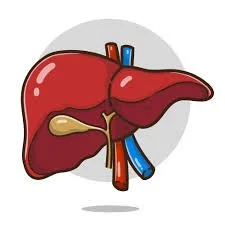
Liver Profile
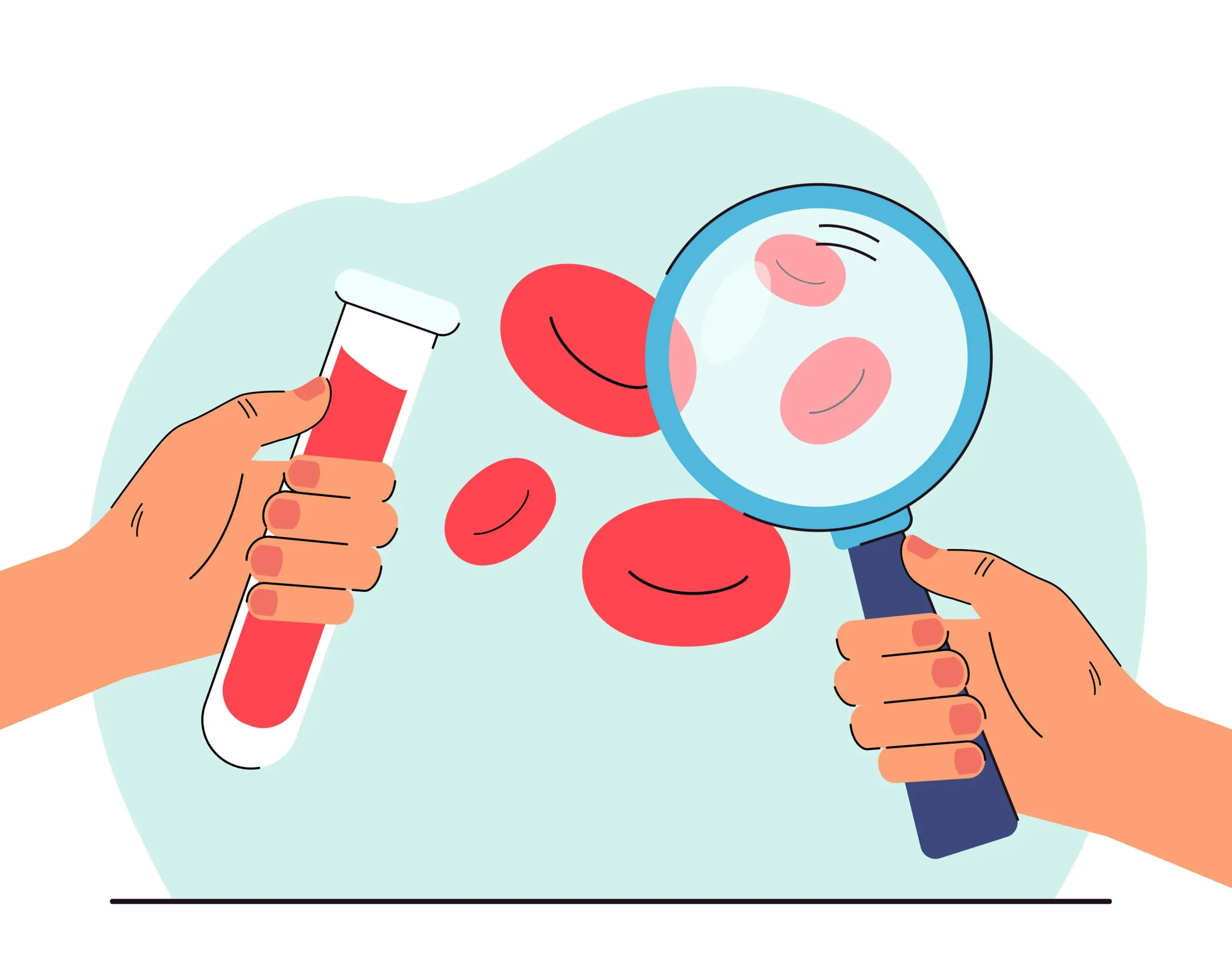
A finger prick blood test that measures enzymes and proteins in the blood to understand how well the liver is functioning and performing. It is useful for those who suspect liver imbalances, have a history of chronic gastrointestinal problems or gallstones, have a family history of liver disease or are taking medications that may harm the liver.
The test measures Total Protein to understand the sum of all proteins in the blood, including ratios of albumin, and Total Bilirubin to assess how effective the liver and gallbladder are at clearing Bilirubin.
It measures enzymes that the liver cells release in response to damage or disease, including Alanine Transferase (ALT), Glutamyl transferase (Gamma GT) and Alkaline Phosphatase (ALP) enzyme. It’s also suitable for anyone who would like to investigate their health for overall wellbeing.
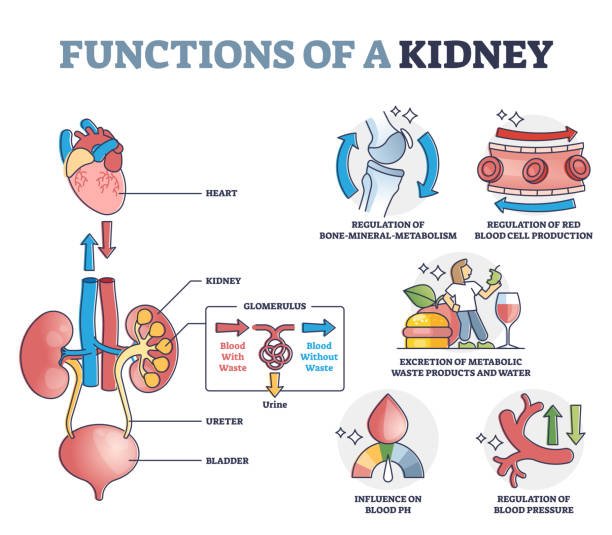
Kidney Profile
A finger prick blood test assesses important kidney markers, and is useful for those who may show signs or symptoms of impaired kidney function, such as reduced urination, fluid retention or irregular heartbeat.
The markers include Total Protein, which is the sum of albumin and globulin in the blood, the levels of waste products in the blood such as urea and creatinine, which are filtered by the kidneys, as well as sodium.
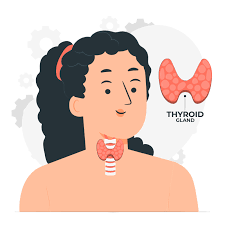
Thyroid Profile
Thyroid Profile with Antibodies measures the main Thyroid Hormones (Free T3, Free T4, and TSH) and Thyroid Antibodies (Thyroglobulin and Thyroid Peroxidase), all of which give a detailed understanding of how well the thyroid works, and whether there is any indication of autoimmunity.
This panel uses a finger prick blood sample to help investigate a potential thyroid disorder (such as hyperthyroidism, hypothyroidism, goitres or thyroid nodules) and the risk of developing a thyroid-related autoimmune condition (such as Hashimoto’s disease, Graves’ disease or autoimmune thyroiditis) in order to guide and monitor treatment protocols.
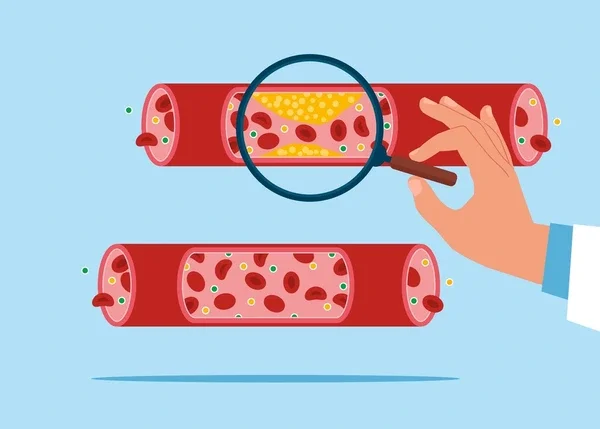
Cholesterol & Lipid Profile
A finger prick blood test measuring the levels of cholesterol in the body, including total cholesterol, and LDL (Low Density Lipoprotein) and HDL (High Density Lipoprotein) cholesterol, which are important markers of cardiovascular health.
It also measures non-HDL cholesterol and triglyceride levels, which can provide a clearer assessment of heart disease risk.
This test can be helpful to assess and monitor cardiovascular health, for example in people with high blood pressure, diabetes, or a diagnosis or family history of heart disease.
Vitamin & Mineral Panel
Testing important serum level markers such as:
Iron, ferritin & B12
This can be important for identifying and monitoring iron excess or deficiency
and B12, which can contribute to issues such as low energy, low libido, weight changes and mood fluctuations.
It is useful for those with symptoms such as fatigue, or low mood, or those who are vegetarian.
Iron deficiency occurs with low levels of circulating and stored iron, and can lead to iron deficiency anaemia. Conversely, high iron levels can lead to toxicity.
The test measures ferritin, which indicates the body’s total iron stores, Total Iron Binding Capacity (TIBC), a measure of the total capacity of iron to bind to proteins in the blood, and Transferrin Saturation, to assess how much of this protein is saturated/bound by iron. It also measures Unsaturated iron-binding capacity (UIBC) to understand the iron binding sites on transferrin not occupied by iron.
Vitamin D
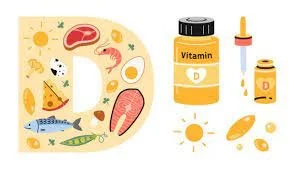
A finger prick test will help you to keep track of vitamin D status, and specifically 25-hydroxy vitamin D, the main circulating form. This is considered the best indicator of vitamin D levels.
Vitamin D deficiency symptoms can include fatigue, poor immunity, mood and sleep disturbances and general aches and pains. Vitamin D deficiency is common in the UK, and can lead to imbalances in various systems, including the immune, nervous, reproductive, cellular, and cardiovascular if left untreated.
If deficiency is found, a follow-up test is recommended to monitor blood levels of vitamin D three months after beginning therapy.
& many other tests available.
Use the contact form to express your interest and together we can work together to find a solution that uniquely fits you.
Or book a free discovery call by clicking the button below!